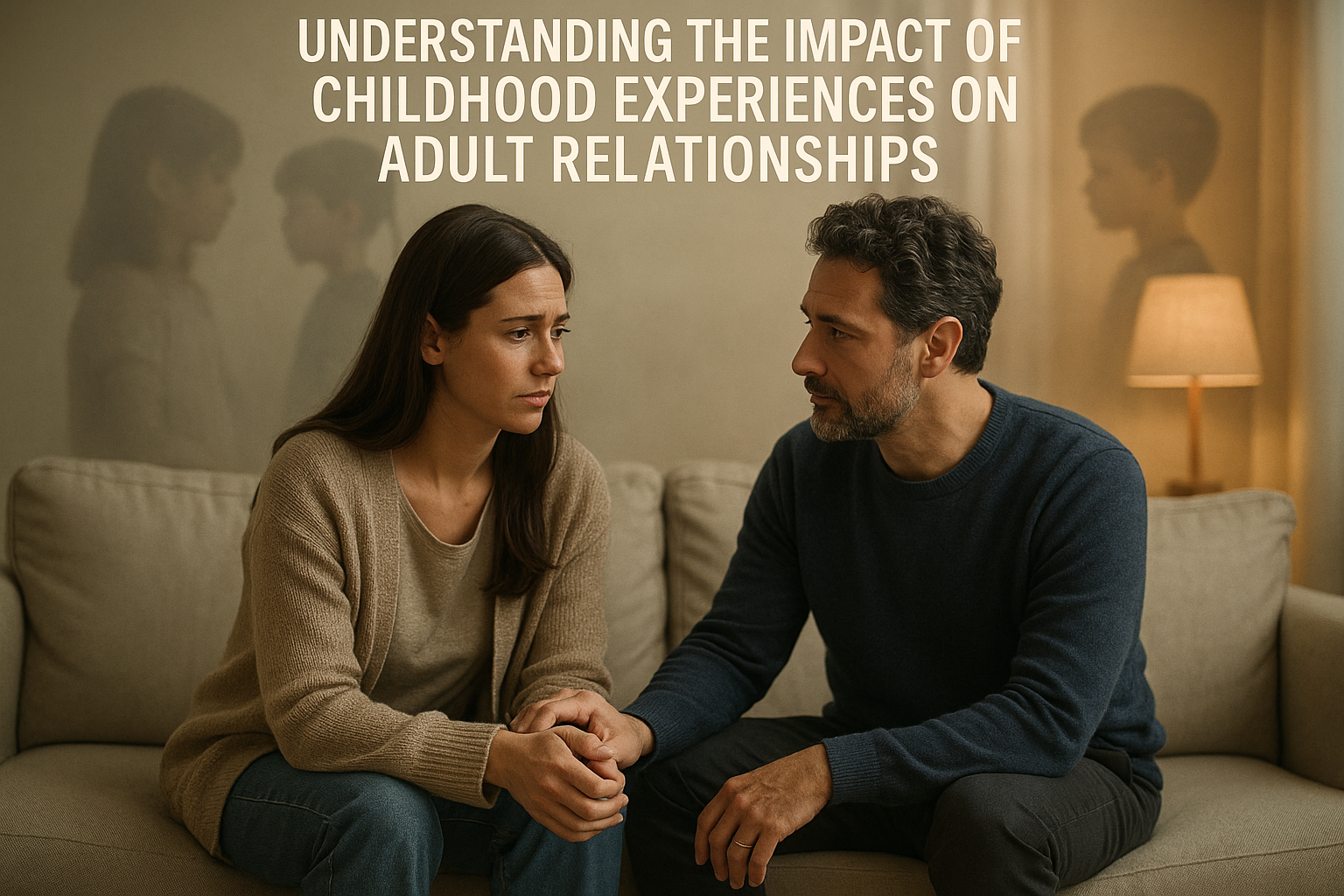
Our childhood shapes more than just memories—it quietly influences the way we connect, communicate, and form bonds as adults. In this article, we’ll explore how early experiences—both nurturing and challenging—can echo into our relationships today, shaping attachment styles, trust, self-worth, and the patterns we bring to romantic and everyday connections.
The Foundation of Attachment Styles
Our earliest connections with caregivers act as the invisible blueprint for the way we navigate adult relationships—at work, with friends, and most intimately, with romantic partners. These formative interactions establish what psychologists call “attachment styles,” which fundamentally shape expectations regarding trust, closeness, and emotional safety. While these patterns begin in childhood, they are not unchangeable destinies; rather, they serve as starting points that can inform or be reshaped through awareness and healing.
Children whose caregivers are consistently responsive and nurturing generally develop a secure attachment style. As adults, such individuals tend to approach relationships with trust and openness. They are comfortable with both emotional intimacy and independence, able to express needs, and receptive to the needs of others. For example, in professional settings, securely attached adults can collaborate effectively and manage feedback well, while in romantic relationships, they tend to communicate directly and resolve conflicts with empathy.
Anxious attachment typically arises when a child experiences inconsistent caregiving, where affection and attention are unpredictable. Adults with this style often seek constant reassurance, fearing abandonment even in healthy relationships. This may manifest in frequent texting for validation, heightened sensitivity to perceived slights, or an intense urge to please their partners. Professionally, these individuals might feel threatened by constructive criticism or become overly dependent on praise from colleagues or supervisors.
Avoidant attachment forms when caregivers are emotionally distant or dismissive, teaching a child to suppress emotional needs. Adults with this style often prize independence to the extent that they struggle to share vulnerability or ask for help. In a romantic partnership, the avoidant individual may feel suffocated by emotional closeness, withdrawing when conflicts arise or when their partner expresses strong emotions. In the workplace, this might look like reluctance to delegate, hesitance to seek mentorship, or avoidance of collaborative projects.
Disorganized attachment emerges from environments where caregivers are sources of both comfort and fear—often the result of unresolved trauma, chaos, or fright. In adulthood, this style can appear as an unpredictable mix of both anxious and avoidant behaviors: craving connection one moment, pushing others away the next. Such a dynamic can be especially confusing in relationships and may lead to chaotic cycles of closeness and withdrawal.
Recognizing one’s own or a partner’s attachment style is an essential step in cultivating healthier connections. Once aware, individuals can begin to challenge outdated patterns, communicate needs more effectively, and build pathways of trust. This awareness is especially crucial in managing conflict, as people often default to their attachment instincts during moments of stress or misunderstanding. Therapeutic work—whether individual or shared—can help unravel the emotional influences of the past, replace rigid responses with flexible choices, and foster emotional safety in both personal and professional realms. Each attachment style offers a map, but it’s the journey of self-awareness and compassionate growth that allows us to rewrite how we love and connect as adults.
Recognizing and Addressing Unhealthy Patterns
It is not uncommon for the echoes of childhood pain—particularly unresolved moments of neglect, inconsistency, criticism, or trauma—to emerge unexpectedly within our adult relationships. These lingering wounds can subtly dictate the ways we react, choose partners, and communicate, sometimes perpetuating unhealthy cycles such as chronic defensiveness, emotional withdrawal, or the repeated attraction to partners who mirror the dynamics of our early caregivers. Recognizing these patterns within ourselves is a profound yet delicate challenge. It requires self-compassion, patience, and the understanding that these behaviors are adaptive strategies forged in response to early pain, not proof of personal deficiency.
For many, the first step is to gently observe emotional reactions in the context of intimacy. When do arguments feel disproportionately intense, or moments of distance trigger overwhelming anxiety? Patterns might emerge, such as a tendency to avoid conflict at all costs, a persistent fear of abandonment, or an instinct to seek validation from emotionally unavailable people. By tracking recurring emotional triggers and responses, it becomes possible to connect present behavior with past experiences, not to assign blame, but to invite curiosity and self-understanding.
It is crucial to approach these discoveries without shame. Childhood coping mechanisms—like shutting down when criticized, becoming hypersensitive to a partner’s moods, or overextending to please others—were, at one time, protective. They may have helped a child survive or feel safe in environments marked by unpredictability or pain. In adulthood, however, these same mechanisms may limit one’s capacity for authentic intimacy or mutual trust. The process of unlearning them begins with honest reflection and self-acceptance.
Practical strategies for breaking these cycles include developing mindful awareness of triggers and practicing “pause and reflect” before responding. For example, when feeling hurt or dismissed, pausing to breathe and name the underlying emotion can create space for a more intentional response rather than an automatic reaction. Journaling about relationship patterns and emotions provides a safe outlet for exploration and may reveal unconscious beliefs—such as feeling unworthy of love or expecting rejection—that feed unhealthy dynamics.
Therapeutic approaches offer structured support for this process. Modalities such as cognitive-behavioral therapy, EMDR (eye movement desensitization and reprocessing), or trauma-informed counseling can help individuals safely revisit painful memories and reframe their impact. In therapy, it becomes possible to learn healthier means of coping, assert personal needs, and establish clear boundaries. Support groups and workshops may also provide validation and new perspectives, reducing isolation and increasing hope.
Individualized support is key. Not everyone heals at the same pace or requires the same tools. Working one-on-one with a therapist or coach ensures interventions are tailored to unique life histories. Over time, these efforts gradually foster resilience and empower healthier boundaries, setting the stage for richer, more secure connections—fundamental steps toward rewriting one’s relationship narrative.
Creating New Relationship Narratives
Once we recognize the unhealthy relationship patterns rooted in our early experiences, the path opens toward creating new narratives—ones that nurture connection, respect, and trust. Rewriting these deeply ingrained stories is an act of courage that requires not only self-awareness but a commitment to conscious change. While our childhoods may have handed us scripts defined by pain, unpredictability, or criticism, we possess the remarkable capacity to forge new ways of loving and relating.
The first step in this process is cultivating self-awareness without judgment. Begin by noticing the moments when you react to a partner or loved one in ways that seem disproportionate or automatic—maybe withdrawing at the first hint of conflict or, conversely, seeking reassurance excessively. These reactions may stem from old narratives such as: “I must earn love,” “Conflict means rejection,” or “I am unworthy of care.” Bringing these stories into conscious awareness gently loosens their grip, making space for new interpretations.
The commitment to change is far deeper than simply choosing to “think differently.” It often involves attending to the emotional residue of the past: feelings of shame, fear, or longing that shaped our earliest views of love. Here, professional support can be invaluable. Concierge-style therapy—a highly personalized approach—allows for nuanced, attentive care tailored to your unique relationship story. Through this format, therapists adapt their methods not just to your symptoms but to your underlying needs, cultural context, and relational goals, offering ongoing accessibility and guidance as you revise old stories.
Rewrite your relationship narrative by actively challenging limiting beliefs. For example, if you notice yourself believing that needs make you weak or unlovable, practice expressing small, reasonable requests with people you trust, and observe the results. If you learned to minimize your emotions as a child, experiment with naming and sharing your feelings, starting with safe or less charged relationships. These small acts of self-trust and vulnerability accumulate, gradually reshaping neural pathways, allowing you to experience love as safe, mutual, and nourishing.
Growth isn’t linear, and setbacks are normal. Compassionate curiosity—asking yourself “What am I feeling? What am I needing right now?”—can gently interrupt old cycles. Seek out therapeutic styles that emphasize safety, warmth, and trust. Personalized, high-touch therapeutic care gives you the scaffolding to try out new behaviors in real time, to reflect on what works, and to learn from what doesn’t. Ask your therapist or coach to help you track progress, celebrate small shifts, and adjust goals to honor your pace and context.
Regardless of your beginning, you are not confined to the stories you inherited. With conscious effort, self-awareness, and support that meets you where you are, it is entirely possible to create relationship narratives that foster security, compassion, and joy in all your connections.
Conclusions
Childhood experiences form the quiet backdrop to our adult relationships, shaping our responses, expectations, and needs. Recognizing and understanding their influence empowers us to cultivate trust, address unhealthy patterns, and build more fulfilling connections. With compassionate guidance and individualized support, transformation is not only possible—it’s within reach for anyone ready to take that step.