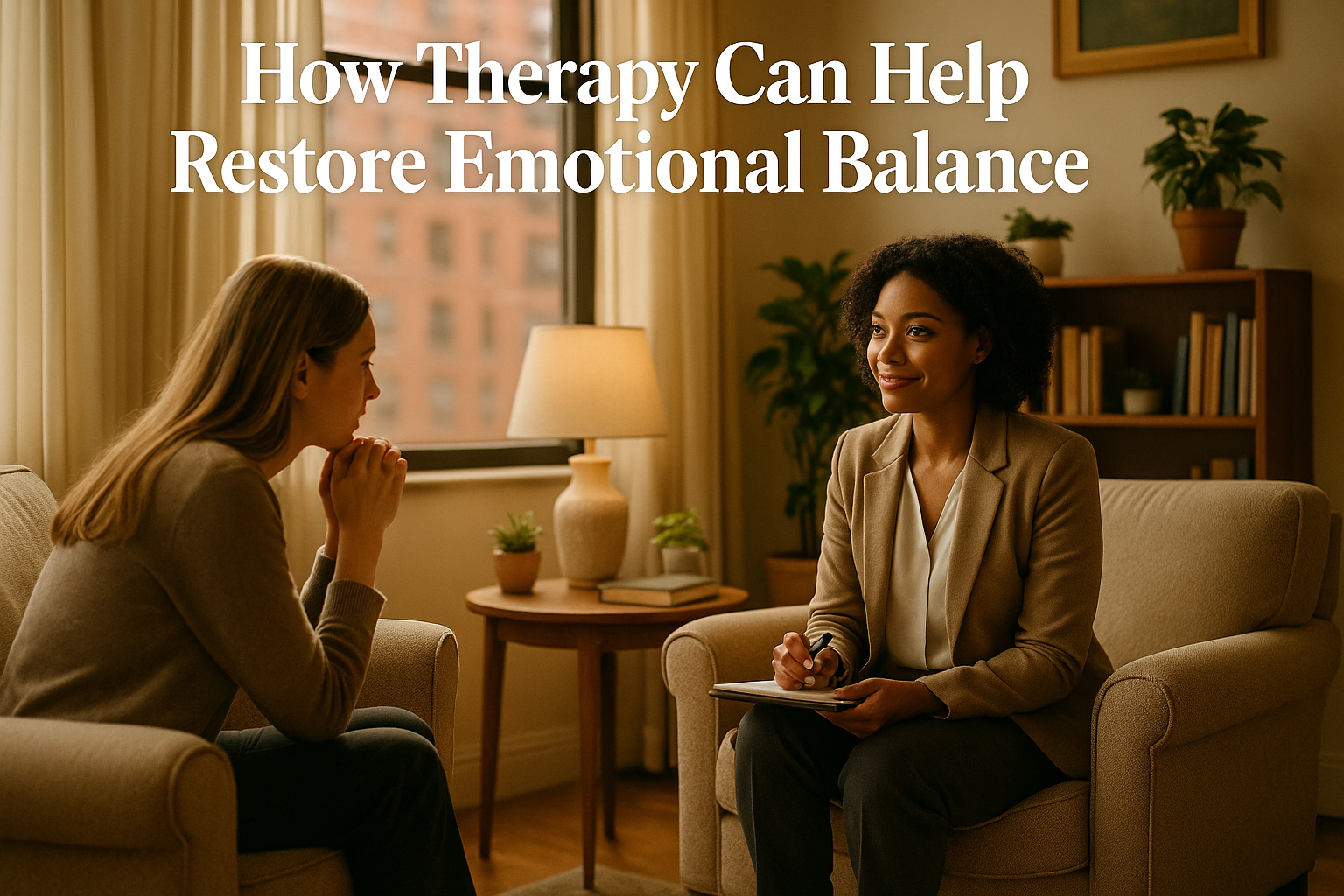
Emotional balance is essential for navigating life’s inevitable ups and downs, yet even the most resilient individuals can feel destabilized by stress, conflict, or difficult transitions. This article explores how effective therapy, tailored to your unique needs, can guide you toward renewed calm, greater self-understanding, and stronger relationships.
Understanding Emotional Imbalance and Its Impact
Emotional imbalance often manifests as more than just having a bad day; it’s a state where emotional distress feels unmanageable or ever-present. People experiencing emotional imbalance can notice persistent anxiety that doesn’t resolve, unpredictable mood swings, excessive irritability, or even a troubling sense of emotional numbness—where happiness, sadness, or anger are replaced with a sense of emptiness or detachment.
These symptoms quietly weave themselves into daily life. A person may find that small decisions become overwhelming or that typical routines—getting out of bed, preparing meals, going to work—require immense effort. Relationships, too, begin to reflect these inner struggles. Partners or family members might sense growing distance, emotional reactivity, or misunderstandings that seem to have no clear origin. Workplace productivity suffers, as focus and motivation become difficult to maintain. Sometimes, simple invitations become sources of dread, resulting in withdrawal from friends or activities that once brought joy.
The ripple effects of unaddressed emotional strain can intensify over time. Irritability may give rise to frequent arguments or conflicts, both at home and at work. Chronic anxiety can contribute to indecision or avoidance, making it harder to progress in personal or professional goals. Without intervention, these disruptions may foster feelings of isolation and a belief that things cannot change.
Recognizing when emotions are out of balance is a courageous first step. Noticing patterns of conflict, difficulty functioning, or a lack of enjoyment in everyday experiences signals a need for deeper self-care. Therapy offers a space to explore these symptoms with guidance—not as a list of faults, but as signals pointing toward the possibility of relief, growth, and renewed emotional equilibrium.
The Therapeutic Process Individualized for Lasting Change
Therapy’s power lies in meeting each person’s unique experience of emotional imbalance with an approach that is flexible and deeply personalized. A compassionate professional like Ivana Ross recognizes that what helps one client feel calmer might not suit another—and so each therapeutic journey is collaboratively tailored. Early sessions often involve gentle exploration, building trust through confidentiality and genuine presence. This safe space makes it possible for someone to speak openly, even about feelings that seem shameful or overwhelming.
Drawing from cognitive-behavioral therapy (CBT), a therapist might guide clients to notice patterns in their thoughts that fuel anxiety or self-criticism, and together, experiment with new, healthier ways of thinking. Mindfulness-based approaches can be woven in, with simple practices designed to help the client anchor themselves in the present, soothing spikes of worry or anger. For others, relational techniques are central—deepening insight into how past relationships influence current reactions, and rehearsing new ways of communicating or setting boundaries in real life.
Therapy isn’t rigid; it’s a living process, adapting as needs shift. Sometimes, a solution-focused conversation will help a client identify small but meaningful actions to interrupt old habits. At other times, the emphasis might be on skill-building—role-playing tough conversations, learning emotion regulation tools, or practicing self-compassion in the face of setbacks.
Above all, an effective therapist serves as a steadfast partner. With respect for confidentiality and a commitment to relevance, they help clients build resilience and clarity, ensuring that shifts in emotional balance are not only understood, but truly felt in everyday life.
Restoring Balance: Building Healthy Habits and Relationships
Therapy shines when it helps turn personal insights into meaningful action, moving clients beyond awareness to consistent, healthier emotional habits and more nurturing connections. In session, clients learn to translate their understanding of triggers and recurring patterns into new behaviors that support emotional steadiness. Take, for example, the challenge of setting boundaries. A therapist might guide someone through recognizing when they feel overwhelmed in relationships, then support practicing direct communication—role-playing how to decline unreasonable requests or articulate emotional needs. Over time, clients often find that this skill not only reduces resentment but also attracts more respectful, balanced interactions at work or with family.
Another foundational shift occurs as clients develop healthier strategies for managing intense feelings. Instead of lashing out or withdrawing when anger, sadness, or anxiety hits, therapy can provide tools like grounding techniques or cognitive reframing. For instance, someone might use brief mindfulness breathwork when feeling flooded during a disagreement, allowing them to respond thoughtfully rather than react impulsively.
Self-compassion is another area where therapy opens doorways. By challenging perfectionistic or harsh self-talk, clients learn practical steps to treat themselves with kindness—a transformative shift that fuels resilience during setbacks. As these habits take root, the ripple effects touch every area, from dating (less people-pleasing, more authenticity) to navigating family dynamics (constructive dialogue, healthier detachment) and advancing at work (asserting boundaries without guilt, greater confidence in collaboration).
Accessible, professional support—from concierge-style care to flexible online options—makes it possible for anyone to sustain these changes. With the right guidance, emotional balance becomes not just a fleeting state, but a lived reality woven through daily life and relationships.
Conclusions
Therapy is not just for crisis—it’s an accessible, personalized path to rediscovering emotional equilibrium and creating more meaningful connections. Whether you’re facing a specific challenge or want to regain your footing in daily life, the right therapeutic relationship can equip you with the insight, strategies, and support you need. You don’t have to navigate emotional change alone.